What is link building? Link building is the process of acquiring hyperlinks from other websites to your own. Search engines like Google use links as votes of confidence—the more quality sites that link to you, the higher your pages can rank. The 12 main types of link building are: editorial links, guest posts, resource pages, broken link building, digital PR, HARO responses, niche edits, directories, forums, social profiles, testimonials, and brand mention conversion.
Not all backlinks are created equal. Types of link building range from high-authority editorial placements that take months to earn, to scalable outreach tactics you can execute in days—and understanding which type fits your goals determines whether your SEO investment pays off or wastes resources.
This comprehensive guide breaks down every link building type, their relative value, risk levels, and exactly how to implement each strategy.
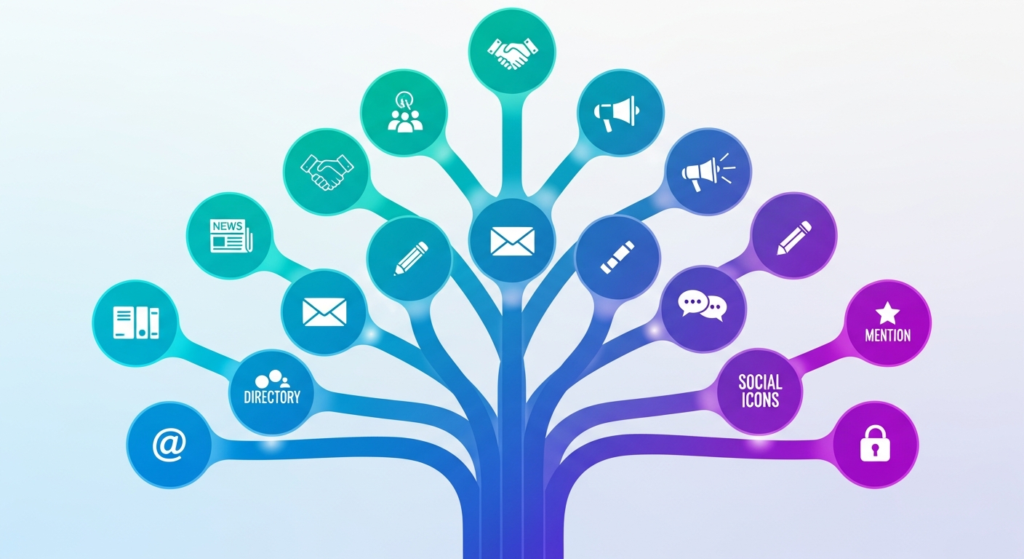
Table of Contents
- Understanding Link Building Types
- Editorial Links
- Guest Post Links
- Resource Page Links
- Broken Link Building
- Digital PR Links
- HARO and Journalist Requests
- Niche Edit Links
- Citation & Entity Verification Links
- Forum and Community Links
- Social Profile Links
- Testimonial Links
- Unlinked Brand Mention Conversion
- Link Building Type Comparison
- Choosing the Right Link Building Mix
- Google Guidelines & Penalties
- Competitive Link Analysis
- Link Audits & Maintenance
- FAQs
- Glossary
TL;DR: Quick Link Building Type Reference
- Highest Authority: Editorial links, Digital PR, HARO placements
- Best Scalability: Guest posts, Resource pages, Niche edits
- Lowest Risk: Brand mention conversion, Testimonials, Directories
- Fastest Results: Niche edits, Forum links, Social profiles
- Link Laboratory, a link building platform specializing in guest post exchanges and publisher outreach, helps scale multiple link types through its marketplace
Understanding Link Building Types
Link building types are categorized by acquisition method, authority transfer, and Google’s guidelines compliance. The SEO industry recognizes three broad categories:
Earned Links (White Hat)
Links naturally given by other websites because your content provides value. Includes editorial mentions, organic resource links, and press coverage. Highest authority, lowest risk, but hardest to scale.
Built Links (Gray Hat)
Links acquired through active outreach where you provide value in exchange. Includes guest posting, broken link building, and HARO responses. Moderate authority, manageable risk when done ethically.
Created Links (Varies)
Links you place yourself on other platforms. Includes directories, forums, social profiles, and comments. Lower authority, but useful for foundational link profiles when relevant.
The Link Value Equation (2026 Update)
Link value in 2026 depends on semantic relevance and user signals—not just traditional metrics:
| Factor | High Value (Modern) | Low Value (Outdated) |
| User Signal | Drives real clicks (Navboost) | Zero clicks / Dormant page |
| Relevance | Semantically related Entity | Unrelated niche/topic |
| Context | Editorial flow / Citation | Footer / Sidebar / Author Bio |
| Authority | Topical Authority (Expert) | Generic Metrics (DA/DR only) |
| Placement | Main Content (Above fold) | Bottom of page |
| Anchor Text | Descriptive / Brand / Natural | Exact Match Keyword Stuffing |
🔬 Modern SEO Insight: The Navboost Factor
According to recent algorithm documentation, Google uses a system called “Navboost” to track user interactions. A backlink that drives actual, qualified referral traffic to your site is significantly more powerful than a “dormant” link on a high-authority site. Aim for placements where the audience is likely to click.
This means a DR 45 industry blog with engaged readers who click your link may outperform a DR 80 general site where no one interacts with your content.
Understanding these factors helps you prioritize which link building types deserve your time and budget.

1. Editorial Links
Editorial links are backlinks placed by writers and editors who reference your content as a source without any outreach or request from you. These represent the gold standard in link building because they signal genuine authority.
Characteristics
- Acquisition Method: Passive—earned through exceptional content
- Authority Level: ⭐⭐⭐⭐⭐ (Highest)
- Scalability: ⭐ (Lowest—cannot be directly controlled)
- Risk Level: None (100% Google-compliant)
- Typical Sources: News sites, industry publications, academic references
How Editorial Links Happen
Editorial links occur when:
- You publish original research or data studies
- Your content becomes a definitive resource on a topic
- Journalists need to cite sources for articles
- Bloggers reference your expertise organically
- Wikipedia editors link to your primary source material
Strategy to Attract Editorial Links
Content Types That Earn Editorial Links:
- Original Research: Surveys, data studies, industry reports
- Definitive Guides: Comprehensive resources that become go-to references
- Free Tools: Calculators, templates, generators
- Expert Commentary: Unique perspectives on industry trends
- Visual Assets: Infographics, charts, diagrams others want to embed
🔮 Future-Proofing: Editorial Links Feed AI Models
In 2026, editorial links don’t just boost Google rankings—they are the primary way AI models like ChatGPT, Gemini, and Perplexity “learn” facts about your brand. When authoritative publications cite your research or expertise, that information becomes part of AI training data and retrieval systems.
Result: Earning editorial mentions in news sources and industry publications increases the likelihood of your brand being cited in AI-generated answers (Google AI Overviews, ChatGPT responses, etc.).
Example: Editorial Link in Action
When Ahrefs published their link decay study showing 66.5% of links are dead, hundreds of sites linked to it editorially—including this article. That’s the power of original data.
Case Study: How Original Research Generated 2,400+ Editorial Links
Backlinko’s “Search Engine Ranking Factors” study became one of the most-cited SEO resources, earning 2,400+ referring domains purely through editorial links. The strategy:
- Analyzed 1 million Google search results
- Published findings with interactive charts
- Created embeddable visual assets
- Updated annually to maintain relevance
Result: The study ranks #1 for “ranking factors” and drives 50,000+ monthly organic visits—all from links earned, not built.
2. Guest Post Links
Guest post links come from articles you write and publish on other websites, typically including 1-2 contextual links back to your site. This remains one of the most popular link building types due to its balance of quality and scalability.
Characteristics
- Acquisition Method: Active outreach + content creation
- Authority Level: ⭐⭐⭐⭐ (High when done right)
- Scalability: ⭐⭐⭐ (Moderate—limited by content production)
- Risk Level: Low-Medium (depends on site quality)
- Typical Sources: Industry blogs, niche publications, B2B sites
Guest Posting Best Practices
DO:
- Target sites with real audiences and engagement
- Write genuinely valuable content for their readers
- Use natural anchor text variations
- Build relationships with editors over time
- Diversify across many different sites
DON’T:
- Pay for links on sites that sell to everyone
- Use exact-match anchors repeatedly
- Guest post on irrelevant sites for link quantity
- Publish thin content just to get a link
- Use the same author bio links across hundreds of posts
🧠 Semantic Strategy: Connect Entities, Not Just Pages
Think of guest posting as connecting your entity to other entities in the same Knowledge Graph. Don’t just build links to your home page—use guest posts to build “bridges” between a relevant topic on the host site and a specific Topic Cluster on your site.
This helps Google understand your expertise in that specific niche. For example:
- Writing a guest post about “keto meal prep” → Link to your “Complete Keto Diet Guide” cluster
- Guest posting on “email deliverability” → Link to your “Email Marketing Pillar Page”
- Contributing “link building tips” → Link to your “SEO Strategy Hub”
Why it works: Google’s systems map relationships between entities and topics. When authoritative sites in your niche link to your topical content (not generic pages), you strengthen your topical authority in that specific area.
Guest Post Quality Tiers
| Tier | Site Characteristics | Link Value | Typical Cost |
| Premium | DR 70+, real traffic, editorial standards | Very High | $500-2,000+ |
| Quality | DR 50-70, niche relevant, some traffic | High | $150-500 |
| Standard | DR 30-50, relevant, minimal traffic | Medium | $50-150 |
| Low Quality | DR <30, accepts anything, no traffic | Low/Risky | <$50 |
Finding Guest Post Opportunities
Search operators to find sites accepting guest posts:
"write for us" + [your niche]
"guest post guidelines" + [your niche]
"submit a guest post" + [your niche]
"become a contributor" + [your niche]
[competitor name] + "guest post by"
3. Resource Page Links
Resource page links are backlinks from curated lists of helpful resources, tools, or references that webmasters maintain for their audience. These pages exist specifically to link out, making them ideal outreach targets.
Characteristics
- Acquisition Method: Outreach to resource page curators
- Authority Level: ⭐⭐⭐⭐ (High—contextually relevant)
- Scalability: ⭐⭐⭐ (Moderate—finite number of resource pages)
- Risk Level: Very Low (natural link context)
- Typical Sources: Universities, industry associations, blogs with resource sections
Finding Resource Pages
Search operators:
[your niche] + "useful resources"
[your niche] + "helpful links"
[your niche] + inurl:resources
[your niche] + inurl:links
[your niche] + "recommended tools"
Resource Page Outreach Template
Subject: Resource suggestion for your [topic] page
Hi [Name],
I was researching [topic] and found your resource page at [URL].
Great collection—especially liked [specific resource they listed].
I recently published [your resource] that covers [unique angle].
It might be a useful addition for your readers looking for [benefit].
Here's the link if you'd like to check it out: [URL]
Either way, thanks for curating such a helpful list.
[Your name]
Success Rate: Typically 5-15% response rate with personalized outreach.
4. Broken Link Building
Broken link building involves finding dead links on other websites and suggesting your content as a replacement. You’re providing value by helping webmasters fix errors while earning a link.
Characteristics
- Acquisition Method: Find broken links → Create replacement → Outreach
- Authority Level: ⭐⭐⭐⭐ (High—replaces existing trusted links)
- Scalability: ⭐⭐⭐ (Moderate—requires research per opportunity)
- Risk Level: Very Low (you’re helping fix problems)
- Typical Sources: Resource pages, old blog posts, Wikipedia
The Broken Link Building Process
**Broken Link Building Workflow**
┌─────────────────────────────────────────────────────────────────────────────┐
│                    BROKEN LINK BUILDING PROCESS                              │
├─────────────────────────────────────────────────────────────────────────────┤
│                                                                              │
│   STEP 1: Find Resource Pages                                                │
│   └── Search: [niche] + inurl:resources OR inurl:links                       │
│                                                                              │
│   STEP 2: Check for Broken Links                                             │
│   └── Tools: Ahrefs Broken Link Checker, Check My Links extension            │
│                                                                              │
│   STEP 3: Analyze Dead Content                                               │
│   └── Use Wayback Machine to see what the dead page covered                  │
│                                                                              │
│   STEP 4: Create or Identify Replacement                                     │
│   └── Your content that covers same topic (create if needed)                 │
│                                                                              │
│   STEP 5: Outreach to Webmaster                                              │
│   └── "Found broken link → here's working alternative"                       │
│                                                                              │
│   STEP 6: Follow Up                                                          │
│   └── 3-7 days later if no response                                          │
│                                                                              │
└─────────────────────────────────────────────────────────────────────────────┘
Tools for Broken Link Building
| Tool | Purpose | Price |
| Ahrefs | Find broken backlinks at scale | $99+/mo |
| Screaming Frog | Crawl sites for broken links | Free (500 URLs) |
| Check My Links | Chrome extension for quick checks | Free |
| Wayback Machine | See original dead page content | Free |
5. Digital PR Links
Digital PR links come from media coverage, press mentions, and journalist articles that reference your brand or expertise. This link building type has grown significantly as Google emphasizes E-E-A-T (Experience, Expertise, Authoritativeness, Trustworthiness).
Characteristics
- Acquisition Method: Newsworthy content + journalist outreach
- Authority Level: ⭐⭐⭐⭐⭐ (Highest—news domains)
- Scalability: ⭐⭐ (Low—requires genuine news angles)
- Risk Level: None (earned media coverage)
- Typical Sources: News sites, major publications, industry media
Digital PR Content Types
- Data Studies: Original research with newsworthy findings
- Surveys: Consumer/industry surveys with surprising results
- Reactive PR: Expert commentary on trending news
- Newsjacking: Timely content tied to current events
- Product Launches: Genuinely innovative releases
- Stunts/Campaigns: Creative campaigns that earn coverage
Digital PR vs Traditional Link Building
| Aspect | Digital PR | Traditional Link Building |
| Link Sources | News sites, major media | Blogs, niche sites |
| Authority | Very high (DR 80-95) | Variable (DR 20-70) |
| Brand Benefit | High visibility, trust | Limited brand impact |
| Cost | $5,000-50,000+ per campaign | $100-500 per link |
| Scalability | Low (quality over quantity) | Higher (volume possible) |
| Timeline | Weeks to months | Days to weeks |
Digital PR Success Example
BuzzSumo’s analysis of viral content earned thousands of editorial links from sites like Forbes, Entrepreneur, and HubSpot—not through outreach, but because the data was genuinely newsworthy.
🔮 Future-Proofing: Digital PR Powers AI Visibility
Digital PR is now a dual-channel strategy: it builds traditional SEO authority AND trains AI systems on your brand. When Forbes, TechCrunch, or industry publications mention your company, that data flows into:
- Google AI Overviews (formerly SGE)
- ChatGPT’s web browsing and training data
- Perplexity’s citation sources
- Gemini’s knowledge base
Brands with strong Digital PR presence are significantly more likely to appear in AI-generated answers—the new “position zero” of search.
6. HARO and Journalist Request Links
HARO (Help A Reporter Out) links come from responding to journalist queries with expert commentary or data, earning citations in published articles. This is one of the most accessible ways to earn high-authority links.
Characteristics
- Acquisition Method: Monitor queries → Respond with expertise
- Authority Level: ⭐⭐⭐⭐⭐ (Very High—journalist trust)
- Scalability: ⭐⭐⭐ (Moderate—limited by relevant queries)
- Risk Level: None (earned through expertise)
- Typical Sources: News sites, magazines, major blogs
HARO Platforms
| Platform | Query Volume | Quality | Cost |
| Connectively (formerly HARO) | High | Mixed | Free |
| Qwoted | Medium | Higher | Free + Paid |
| SourceBottle | Medium | Good | Free |
| Help a B2B Writer | Low | Very High (B2B) | Free |
| #JournoRequest (Twitter/X) | Variable | Mixed | Free |
HARO Response Best Practices
The Perfect HARO Pitch:
- Lead with credentials: Why you’re qualified to answer
- Answer directly: Give the journalist exactly what they need
- Be concise: 200-300 words max
- Include a quote: Something they can use verbatim
- Provide contact info: Make follow-up easy
- Respond quickly: First good responses often win
HARO Success Metrics
- Response Rate: 5-15% of quality pitches get published
- Time Investment: 15-30 minutes per quality response
- Link Value: Often DR 70-90+ publications
- ROI: Extremely high for the time invested
7. Niche Edit Links (Link Insertions)
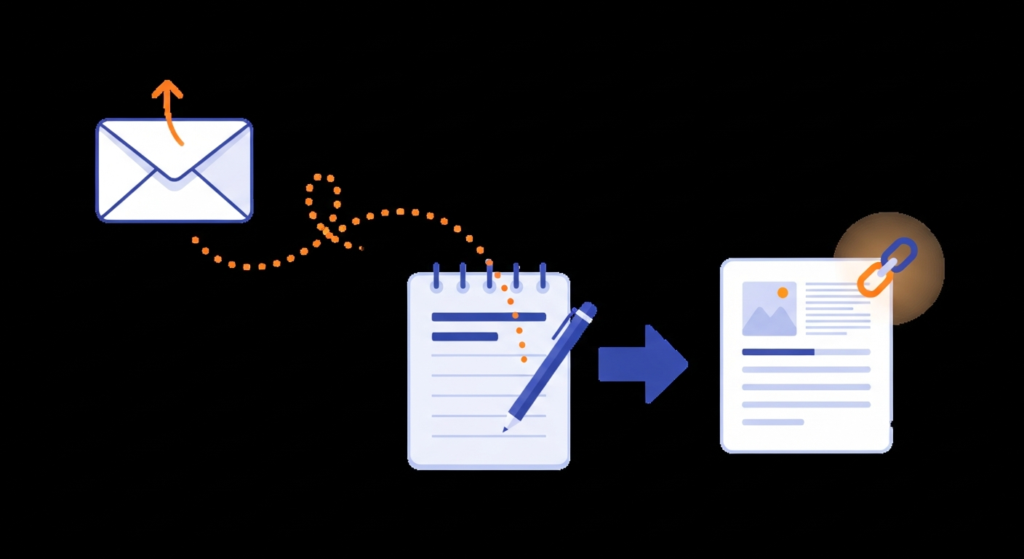
Niche edit links are backlinks added to existing, already-indexed content on other websites. Instead of creating new guest posts, you’re inserting your link into relevant articles that already rank.
Characteristics
- Acquisition Method: Outreach to add links to existing content
- Authority Level: ⭐⭐⭐ (Medium-High—depends on page)
- Scalability: ⭐⭐⭐⭐ (High—no content creation needed)
- Risk Level: Medium (can look unnatural if overdone)
- Typical Sources: Blog posts, resource articles, guides
Niche Edits vs Guest Posts
| Factor | Niche Edits | Guest Posts |
| Content Needed | None | Full article |
| Time to Link | Fast (days) | Slower (weeks) |
| Link Context | Existing content | New content |
| Page Authority | Established | New page (no authority yet) |
| Cost | Often lower | Often higher |
| Scalability | Higher | Lower |
When Niche Edits Make Sense
✅ Good Use Cases:
- Adding your resource to relevant listicles
- Updating outdated statistics with your data
- Including your tool in comparison articles
- Adding expert quotes to existing guides
❌ Red Flags:
- Sites that sell insertions to anyone
- Irrelevant placements for “link juice”
- Pages with dozens of outbound links
- Content that hasn’t been updated in years
🧠 Contextual Vectors: Build Semantic Bridges
When securing a niche edit, don’t just ask for a link on an existing keyword. Ask the webmaster to add a new sentence or paragraph that introduces your link naturally.
Why this matters: Simply jamming a link into existing text creates an awkward, unnatural connection. Google’s AI models analyze the surrounding context to understand why a link exists. A link that appears without contextual setup looks manipulative.
Better approach:
- ❌ “Can you add a link to ‘SEO tools’ pointing to our site?”
- ✅ “Could you add a sentence like: ‘For agencies managing multiple clients, [Your Tool] offers bulk analysis features that streamline this process.’ with a link?”
This creates a proper semantic bridge between their content and yours—giving Google’s language models clear context about the relationship between the two pages.
8. Citation & Entity Verification Links
Citation links come from business directories, industry listings, and curated databases that verify your brand exists as a real entity. While less powerful than editorial links for raw authority, these citations serve a critical role: they help Google establish confidence in your brand entity within the Knowledge Graph.
Characteristics
- Acquisition Method: Submit business information
- Authority Level: ⭐⭐ (Low-Medium—varies widely)
- Scalability: ⭐⭐⭐⭐⭐ (Very High—mostly self-service)
- Risk Level: Low (when using quality directories)
- Typical Sources: Industry directories, local listings, review sites
Directory Quality Tiers
Tier 1 – Essential (High Authority):
- Google Business Profile
- Bing Places
- Apple Maps
- Yelp
- Better Business Bureau
Tier 2 – Industry Specific:
- Clutch (agencies)
- G2/Capterra (software)
- TripAdvisor (hospitality)
- Avvo (legal)
- Healthgrades (medical)
Tier 3 – General Web Directories:
- BOTW (Best of the Web)
- Jasmine Directory
- Blogarama (blogs)
Avoid:
- Directories that accept everyone for free
- Sites with no editorial standards
- Link farms disguised as directories
Citation Link Best Practices
- Prioritize relevance: Industry-specific > general
- Complete profiles: Full information, photos, descriptions
- Consistent NAP: Name, Address, Phone must match everywhere
- Monitor listings: Check for accuracy quarterly
- Respond to reviews: Engagement signals quality
🏢 Entity Strategy: NAP = Knowledge Graph Confidence
NAP Consistency (Name, Address, Phone) isn’t just a Local SEO tactic—it’s how Google builds confidence in your brand entity.
When your business information matches exactly across dozens of authoritative directories (Google Business Profile, Yelp, BBB, industry directories), Google’s systems establish:
- Entity verification: “This business actually exists”
- Trust signals: Consistent data across independent sources
- Knowledge Graph eligibility: Meeting the threshold for branded Knowledge Panels
- AI training data: Accurate information for AI-generated answers about your brand
The math: Google cross-references your NAP across 50+ citation sources. Inconsistencies (“LLC” vs “Inc”, different phone formats, old addresses) reduce your entity confidence score and can prevent Knowledge Panel generation.
Pro tip: Use a citation management tool (BrightLocal, Yext, Moz Local) to audit and sync NAP across all directories.
9. Forum and Community Links
Forum links come from participating in online communities, Q&A sites, and discussion boards where you provide genuine value while naturally referencing your content.
Characteristics
- Acquisition Method: Active community participation
- Authority Level: ⭐⭐ (Low—mostly nofollow)
- Scalability: ⭐⭐⭐ (Moderate—requires ongoing participation)
- Risk Level: Low-Medium (can be spammy if abused)
- Typical Sources: Reddit, Quora, industry forums, Discord
Forum Link Value
Most forum links are nofollow or UGC-tagged, but they still provide:
- Referral Traffic: Direct visitors from discussions
- Brand Awareness: Visibility in your community
- Link Diversity: Natural profile variety
- Indexing Signals: Helps Google discover your content
- Social Proof: Community endorsement
Forum Participation Strategy
The 10:1 Rule: For every link you share, provide 10 helpful responses without any links. This builds reputation and prevents spam flags.
Best Platforms by Niche:
| Niche | Primary Platform |
| Tech/SEO | Reddit (r/SEO, r/webdev) |
| B2B/SaaS | Quora, LinkedIn |
| Marketing | GrowthHackers, Inbound.org |
| Design | Dribbble, Behance |
| Developer | Stack Overflow, GitHub |
10. Social Profile Links
Social profile links are backlinks from your business profiles on social media platforms, portfolio sites, and professional networks.
Characteristics
- Acquisition Method: Create and optimize profiles
- Authority Level: ⭐ (Low—nofollow, but from high-DA domains)
- Scalability: ⭐⭐⭐⭐⭐ (Very High—one-time setup)
- Risk Level: None (expected business practice)
- Typical Sources: LinkedIn, Twitter/X, Facebook, Crunchbase
Social Profile Checklist
Essential Profiles (Create These First):
- [ ] LinkedIn Company Page
- [ ] Twitter/X Business Account
- [ ] Facebook Business Page
- [ ] Crunchbase (for companies)
- [ ] AngelList (for startups)
- [ ] GitHub (for tech companies)
- [ ] YouTube Channel
- [ ] Pinterest Business
Profile Optimization:
- Complete all fields: Full descriptions, categories, contact info
- Consistent branding: Same logo, colors, messaging
- Include website URL: Primary link building goal
- Add media: Images, videos, presentations
- Regular activity: Active profiles carry more weight
Social Link Impact
While individual social links don’t pass significant authority, they:
- Establish brand legitimacy
- Create link profile diversity
- Often rank for branded searches
- Provide additional indexing pathways
- Support overall digital presence
11. Testimonial Links
Testimonial links come from providing reviews or testimonials for products/services you use, which companies often publish with a backlink to your site.
Characteristics
- Acquisition Method: Provide genuine testimonials
- Authority Level: ⭐⭐⭐ (Medium—contextual, branded)
- Scalability: ⭐⭐⭐ (Moderate—limited by products you use)
- Risk Level: Very Low (natural business practice)
- Typical Sources: Software companies, service providers, B2B vendors
Testimonial Link Strategy
Step 1: Inventory Your Tools List every product/service your business uses:
- Software (SaaS tools, plugins)
- Services (agencies, consultants)
- Suppliers (hosting, equipment)
- Partners (integrations, affiliates)
Step 2: Check for Testimonial Pages Search: [product name] + testimonials or [product name] + "customer stories"
Step 3: Reach Out
Subject: Happy customer testimonial offer
Hi [Team],
I've been using [Product] for [time period] and wanted to share some results:
[Specific result/benefit you experienced]
If you're looking for customer testimonials, I'd be happy to provide a quote with our company logo. Let me know if that would be useful.
[Your name]
[Company] - [Website]
Step 4: Provide Complete Testimonial Include:
- Specific results/metrics
- Company name and logo
- Your name and title
- Headshot (increases publication chances)
- Website URL
Testimonial Link Examples
Many SaaS companies publish customer testimonials with backlinks:
- Case study pages
- Homepage social proof sections
- Industry-specific landing pages
- “Our Customers” directories
12. Unlinked Brand Mention Conversion
Unlinked brand mention conversion is the process of finding places where your brand is mentioned online without a hyperlink, then requesting the writer add a link.
Characteristics
- Acquisition Method: Monitor mentions → Outreach for links
- Authority Level: ⭐⭐⭐⭐ (High—already deemed reference-worthy)
- Scalability: ⭐⭐⭐ (Moderate—limited by existing mentions)
- Risk Level: None (your brand, natural request)
- Typical Sources: Blog posts, news articles, forums, reviews
Finding Unlinked Mentions
Tools:
| Tool | Method | Cost |
| Google Alerts | Free monitoring | Free |
| Ahrefs Content Explorer | Unlinked mention filter | $99+/mo |
| BuzzSumo | Brand monitoring | $99+/mo |
| Mention.com | Real-time alerts | $29+/mo |
| Brand24 | Social + web monitoring | $49+/mo |
Manual Search:
"[brand name]" -site:yourdomain.com -link:yourdomain.com
Brand Mention Outreach Template
Subject: Thanks for mentioning [Brand]!
Hi [Name],
Thanks for mentioning [Brand] in your article about [topic].
Great piece—especially appreciated [specific point they made].
Quick request: would you consider adding a link to our site
where you mentioned us? Here's the URL: [URL]
It helps readers find us and we'd really appreciate it.
Thanks either way for the mention!
[Your name]
Success Rate: 20-40% (highest of any outreach type—they already like you)
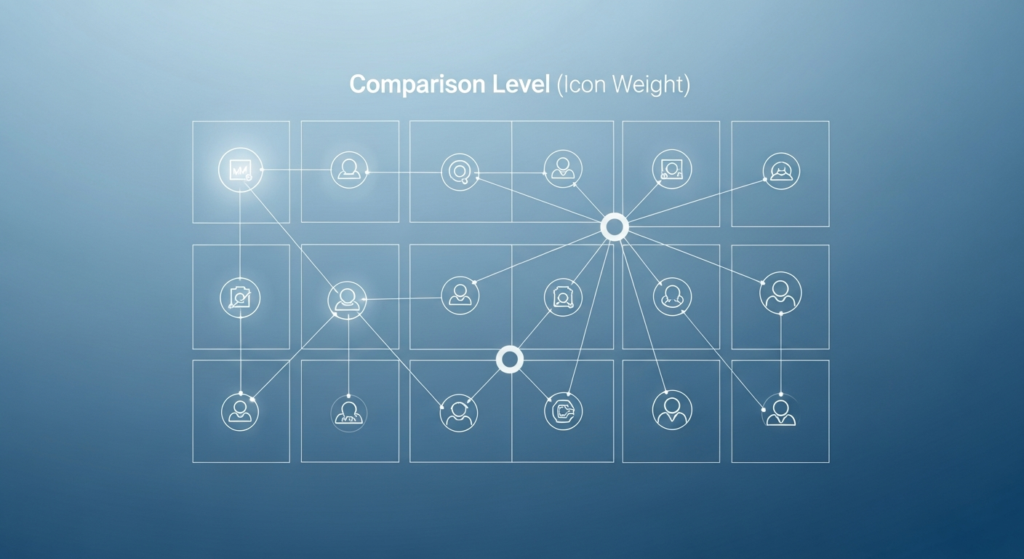
Link Building Type Comparison Matrix
**Complete Link Building Type Comparison**
┌────────────────────────────────────────────────────────────────────────────────────────┐

│                          LINK BUILDING TYPE MATRIX                                      │

├───────────────────────┬────────────┬─────────────┬──────────┬────────────┬─────────────┤

│ Type                  │ Authority  │ Scalability │ Risk     │ Time/Link  │ Cost/Link   │

├───────────────────────┼────────────┼─────────────┼──────────┼────────────┼─────────────┤

│ Editorial Links       │ ⭐⭐⭐⭐⭐    │ ⭐          │ None     │ Weeks-Months│ Variable   │

│ Digital PR            │ ⭐⭐⭐⭐⭐    │ ⭐⭐        │ None     │ Weeks      │ $500-5,000 │

│ HARO/Journalist       │ ⭐⭐⭐⭐⭐    │ ⭐⭐⭐      │ None     │ Days       │ Time only  │

│ Guest Posts           │ ⭐⭐⭐⭐     │ ⭐⭐⭐      │ Low      │ 1-2 weeks  │ $100-500   │

│ Resource Pages        │ ⭐⭐⭐⭐     │ ⭐⭐⭐      │ Very Low │ Days       │ Time only  │

│ Broken Link Building  │ ⭐⭐⭐⭐     │ ⭐⭐⭐      │ Very Low │ Days-Week  │ Time only  │

│ Brand Mention Convert │ ⭐⭐⭐⭐     │ ⭐⭐⭐      │ None     │ Days       │ Time only  │

│ Niche Edits           │ ⭐⭐⭐      │ ⭐⭐⭐⭐    │ Medium   │ Days       │ $50-200    │

│ Testimonials          │ ⭐⭐⭐      │ ⭐⭐⭐      │ Very Low │ Days       │ Time only  │

│ Directories           │ ⭐⭐        │ ⭐⭐⭐⭐⭐  │ Low      │ Hours      │ $0-100     │

│ Forums/Communities    │ ⭐⭐        │ ⭐⭐⭐      │ Low      │ Ongoing    │ Time only  │

│ Social Profiles       │ ⭐          │ ⭐⭐⭐⭐⭐  │ None     │ Hours      │ Free       │

└───────────────────────┴────────────┴─────────────┴──────────┴────────────┴─────────────┘
Choosing the Right Link Building Mix
Your ideal link building strategy depends on your business stage, resources, and goals.
By Business Stage
Startups/New Sites: 1. Social profiles (foundational) 2. Directories (local + industry) 3. HARO responses (free authority) 4. Forum participation (visibility) 5. Guest posts (begin building relationships)
Growing Businesses: 1. Guest posts (scale up) 2. Resource page outreach 3. Broken link building 4. Brand mention conversion 5. Testimonial links
Established Brands: 1. Digital PR campaigns 2. Editorial link attraction 3. HARO at scale 4. Niche edits (strategic) 5. All previous tactics maintained
By Budget
| Budget | Recommended Focus |
| $0 | HARO, Forums, Directories, Brand mentions |
| $500/mo | + Guest posts, Resource outreach |
| $2,000/mo | + Niche edits, Broken link building |
| $5,000+/mo | + Digital PR, Content-led link earning |
Link Profile Diversity Goals
A natural link profile includes multiple link types. Target approximate ratios:
- Editorial/PR: 10-20%
- Guest Posts: 20-30%
- Resource/Niche Edits: 15-25%
- Directories/Profiles: 10-15%
- Forums/Community: 5-10%
- Brand Mentions: 5-10%
- Other (testimonials, etc.): 5-10%
Link Building Decision Tree
Use this taxonomy to choose the right link building type for your situation:
**Link Building Type Selection Guide**
┌─────────────────────────────────────────────────────────────────────────────┐
│                    LINK BUILDING DECISION TREE                              │
├─────────────────────────────────────────────────────────────────────────────┤
│                                                                             │
│  START: What's your primary goal?                                           │
│                │                                                            │
│    ┌───────────┼───────────┬───────────────────┐                            │
│    ▼           ▼           ▼                   ▼                            │
│  AUTHORITY   TRAFFIC    SPEED          BRAND BUILDING                       │
│    │           │           │                   │                            │
│    │           │           │                   │                            │
│  Budget?    Niche?     Risk OK?          Stage?                             │
│    │           │           │                   │                            │
│ ┌──┴──┐    ┌──┴──┐     ┌──┴──┐           ┌──┴──┐                            │
│ │     │    │     │     │     │           │     │                            │
│High  Low  B2B  B2C   Yes    No        New   Estab                           │
│ │     │    │     │     │     │           │     │                            │
│ ▼     ▼    ▼     ▼     ▼     ▼           ▼     ▼                            │
│                                                                             │
│  HIGH BUDGET + AUTHORITY:              LOW RISK + SPEED:                    │
│  → Digital PR                          → Brand Mention Conversion           │
│  → Editorial Content                   → Testimonials                       │
│  → Premium Guest Posts                 → Resource Pages                     │
│                                                                             │
│  LOW BUDGET + AUTHORITY:               TRAFFIC-FOCUSED:                     │
│  → HARO Responses                      → Guest Posts (engaged audiences)    │
│  → Resource Page Outreach              → Forums & Communities               │
│  → Broken Link Building                → Niche Edits (active pages)         │
│                                                                             │
│  SPEED + RISK TOLERANCE:               NEW BRAND FOUNDATION:                │
│  → Niche Edits                         → Directories (Tier 1-2)             │
│  → Guest Post Networks                 → Social Profiles                    │
│                                        → HARO (build expertise)             │
│                                                                             │
│  ESTABLISHED BRAND GROWTH:                                                  │
│  → Digital PR Campaigns                                                     │
│  → Original Research → Editorial Links                                      │
│  → Thought Leadership                                                       │
│                                                                             │
├─────────────────────────────────────────────────────────────────────────────┤
│  💡 PRO TIP: Always prioritize links that drive REAL CLICKS (Navboost)     │
│     over dormant high-DA placements. User signals matter in 2026.          │
└─────────────────────────────────────────────────────────────────────────────┘
Frequently Asked Questions
What are the main types of link building?
The main types of link building are editorial links (naturally earned), guest posting (content exchange), resource page links (curated lists), broken link building (replacing dead links), digital PR (media coverage), HARO responses (journalist queries), niche edits (link insertions), directories (business listings), forum links (community participation), social profiles (platform presence), testimonials (review links), and brand mention conversion (unlinked mentions).
Each type varies in authority level, scalability, risk, and required investment. Most successful SEO strategies combine multiple types for link profile diversity.
Which type of link building is most effective?
The most effective link building types for raw authority are editorial links, digital PR, and HARO placements—these come from high-authority news and publication sites that Google trusts most. However, “most effective” depends on your definition:
- Highest authority: Editorial links, Digital PR
- Best ROI: HARO, Brand mention conversion
- Most scalable: Guest posts, Niche edits
- Fastest results: Niche edits, Directories
- Lowest effort: Social profiles, Testimonials
Is guest posting still effective in 2026?
Yes, guest posting remains effective when done correctly—focusing on high-quality, relevant sites with real audiences rather than link farms. Google’s guidelines state that guest posting “for links” is against guidelines, but guest posting for genuine audience building with incidental links is natural.
Key success factors:
- Write for relevant sites in your niche
- Create genuinely valuable content
- Use natural, varied anchor text
- Avoid sites that sell links to everyone
- Build relationships with editors over time
What’s the difference between dofollow and nofollow links?
Dofollow links pass PageRank and authority signals to your site, directly impacting rankings. Nofollow links (and UGC/Sponsored variants) tell Google not to pass authority, though they can still drive traffic and brand awareness.
Link attributes:
- Dofollow: Default state, passes link equity
- rel=”nofollow”: No authority passed
- rel=”ugc”: User-generated content (comments, forums)
- rel=”sponsored”: Paid/sponsored links
A healthy link profile includes both types. Nofollow links from high-authority sites (Reddit, Wikipedia, news sites) still have value for traffic and brand signals.
How many links do I need to rank?
There’s no fixed number—link requirements depend on keyword competition, your domain authority, and content quality. A page might rank #1 with 5 links for low-competition keywords, or need 500+ for competitive terms.
Focus on:
- Link quality over quantity
- Relevance to your topic
- Diverse link building types
- Consistent acquisition over time
- Content that deserves links
What’s the safest type of link building?
The safest link building types are editorial links, brand mention conversion, HARO responses, and testimonials—all involve earning links through genuine value rather than artificial manipulation.
Risk ranking (lowest to highest): 1. Editorial links (100% safe) 2. Brand mention conversion (100% safe) 3. HARO/PR links (100% safe) 4. Testimonials (very safe) 5. Resource page links (very safe) 6. Guest posts on quality sites (safe) 7. Directories (safe if quality) 8. Niche edits (moderate risk) 9. PBN/Link networks (high risk—avoid)
How do I build links without outreach?
You can build links without outreach by creating link-worthy content (original research, tools, comprehensive guides), optimizing for digital PR opportunities, responding to HARO queries, and maintaining active social/community profiles.
Zero-outreach link building:
- Publish original data/research
- Create free tools or calculators
- Write definitive guides that become references
- Respond to journalist requests (HARO)
- Participate in relevant communities
- Claim and optimize directory listings
- Complete social media profiles
What is a link building example?
A link building example: You identify that a competitor’s resource page about “SEO tools” has a broken link to a discontinued tool. You reach out to the webmaster, point out the broken link, and suggest your similar tool as a replacement. The webmaster updates the page with your link.
This demonstrates broken link building—one of 12 main link building types. Other examples include writing a guest post for an industry blog (guest posting), getting quoted in a Forbes article through HARO (journalist links), or having your research cited in Wikipedia (editorial link).
Google Guidelines and Link Building Penalties
Understanding Google’s stance on link building is crucial for sustainable SEO. The Google Penguin algorithm, first launched in 2012 and now part of the core algorithm, specifically targets manipulative link schemes.
What Google Says About Link Building
According to Google’s Link Spam policies:
“Any links that are intended to manipulate rankings in Google Search results may be considered link spam.”
Link schemes that violate guidelines include:
- Buying or selling links for ranking purposes
- Excessive link exchanges (“Link to me and I’ll link to you”)
- Large-scale guest posting with keyword-rich anchor text
- Automated link building programs
- Using PBNs (Private Blog Networks)
- Requiring links as part of Terms of Service
Safe vs. Risky Link Building
| Safe (White Hat) | Risky (Gray Hat) | Dangerous (Black Hat) |
| Editorial links | Scaled guest posting | PBN links |
| HARO responses | Niche edits | Link farms |
| Brand mentions | Link exchanges | Paid links (undisclosed) |
| Quality directories | Scholarship schemes | Automated submissions |
| Original research | Widget links | Comment spam |
Historical Link Building Evolution
Pre-2012 (Anything Goes) – Directories dominated – Article marketing with exact-match anchors – Reciprocal links everywhere – Forum signature spam
2012-2016 (Penguin Era) – Google Penguin launched (April 2012) – Mass penalties for link schemes – Disavow tool introduced – Guest post networks penalized
2016-Present (Real-Time Penguin) – Penguin integrated into core algorithm – Devaluation instead of penalties – Focus on link quality signals – E-E-A-T becomes crucial
How to Recover from Link Penalties
If you’ve been hit by a link-related penalty:
- Audit your backlink profile using Ahrefs, SEMrush, or Google Search Console
- Identify toxic links: PBNs, link farms, irrelevant sites, paid links
- Request removal by contacting webmasters
- Disavow remaining toxic links via Google Search Console
- Document everything for a reconsideration request
- Build quality links to dilute bad link ratio
⚠️ Warning: The Google Disavow Tool should only be used if you have a manual penalty or clear evidence of algorithmic impact from toxic links. Disavowing carelessly can hurt rankings.
Competitive Link Profile Analysis
Analyzing competitors’ backlinks reveals link building opportunities you’re missing and strategies that work in your niche.
How to Analyze Competitor Links
Step 1: Identify Link Competitors – Search your target keywords – Note sites ranking in positions 1-10 – Focus on competitors with similar domain authority
Step 2: Export Their Backlink Data Use tools like:
- Ahrefs → Site Explorer → Backlinks
- SEMrush → Backlink Analytics
- Moz → Link Explorer
- Majestic → Site Explorer
Step 3: Categorize Link Types
Create a spreadsheet categorizing competitor links by type:
| Link Type | Competitor A | Competitor B | Your Site | Gap |
| Editorial | 45 | 32 | 12 | -20 to -33 |
| Guest Posts | 120 | 85 | 40 | -45 to -80 |
| Resource Pages | 28 | 41 | 8 | -20 to -33 |
| HARO/PR | 15 | 22 | 3 | -12 to -19 |
| Directories | 50 | 45 | 35 | -10 to -15 |
Step 4: Identify Replicable Links
Look for:
- Resource pages that link to multiple competitors
- Guest post sites accepting contributions
- Directories competitors are listed in
- Broken links on sites linking to competitors
- Sites accepting HARO quotes in your niche
Competitive Link Gap Analysis Template
Competitor Domain: ________________
Domain Authority: ________________
Total Backlinks: ________________
Top Link Sources (Replicate These):
1. ________________ (Type: _______ )
2. ________________ (Type: _______ )
3. ________________ (Type: _______ )
Link Types They Use:
□ Editorial  □ Guest Posts  □ HARO  □ Digital PR
□ Resource Pages  □ Niche Edits  □ Directories
Opportunities for Us:
- ________________
- ________________
- ________________
Link Audits and Profile Maintenance
Building links isn’t a “set and forget” activity. Regular audits ensure your link profile stays healthy and effective.
Why Link Audits Matter
- Link decay: Studies show 66.5% of links die within 9 years
- Toxic accumulation: Spam sites may link to you without permission
- Algorithm updates: What was safe yesterday may be risky today
- Competitor sabotage: Negative SEO attacks happen
How to Conduct a Link Audit
Monthly Quick Audit (15 minutes) 1. Check Google Search Console → Links → Top linking sites 2. Look for unfamiliar or spammy domains 3. Monitor anchor text distribution 4. Check for sudden spikes or drops
Quarterly Deep Audit (2-4 hours) 1. Export full backlink profile from Ahrefs/SEMrush 2. Score each link for quality (DR, relevance, traffic) 3. Flag potentially toxic links 4. Identify lost high-value links for reclamation 5. Compare anchor text ratios to competitors 6. Update disavow file if needed
Link Audit Checklist
Quality Signals (✅ Keep) – Relevant to your niche – DR/DA 30+ (or niche-appropriate) – Real traffic and engagement – Natural anchor text – Editorial context
Warning Signs (🟡 Monitor) – Low DR but relevant niche – Exact-match anchor text – Link from low-traffic page – Sidebar/footer placement – Translated or scraped content
Toxic Signals (❌ Consider Disavow) – Known PBN or link farm – Completely irrelevant site – Spammy anchor text patterns – Site penalized by Google – Hacked or malware-infected sites
Tools for Link Audits
| Tool | Best For | Cost |
| Google Search Console | Free overview, discovering links | Free |
| Ahrefs | Comprehensive analysis, competitor research | $99+/mo |
| SEMrush | Toxic score, backlink audit workflow | $119+/mo |
| Moz Link Explorer | Domain authority metrics | $99+/mo |
| Majestic | Trust Flow/Citation Flow metrics | $49+/mo |
| LinkResearchTools | Dedicated audit/disavow tools | $449+/mo |
Conclusion: Build Links Strategically
Understanding the different types of link building empowers you to build a diverse, natural link profile that withstands algorithm changes and drives sustainable ranking improvements. The key isn’t choosing one type—it’s combining multiple approaches based on your resources, goals, and competitive landscape.
Start with these priorities:
- Set up foundational links (profiles, directories)
- Begin HARO responses for quick authority wins
- Develop guest posting relationships
- Create content worth linking to
- Scale what works for your niche
Ready to scale your link building efforts?
Build Quality Backlinks with Link Laboratory →
Link Building Glossary
Quick reference for link building terminology:
Anchor Text
The clickable text in a hyperlink. Variations include exact-match (target keyword), partial-match, branded, and generic (“click here”).
Backlink
A link from another website pointing to your site. Also called inbound link or incoming link. See: Wikidata: Backlink
DA/DR (Domain Authority/Domain Rating)
Third-party metrics (Moz DA, Ahrefs DR) predicting a domain’s ranking potential. Scale of 0-100. Higher = more authoritative.
Disavow
Telling Google to ignore specific backlinks when assessing your site. Done via Google Search Console’s Disavow Tool.
Dofollow
Default link attribute that passes PageRank/link equity. Opposite of nofollow.
Editorial Link
A link placed by a writer/editor because they found your content valuable—not because you asked or paid.
Guest Post
Content you write and publish on another website, typically including a link back to your site.
HARO (Help A Reporter Out)
Platform connecting journalists with expert sources. Responding to queries can earn links from news sites.
Link Building
The process of acquiring hyperlinks from external websites to improve search engine rankings. See: Wikidata: Link building
Link Equity
The ranking value passed from one page to another through links. Also called “link juice.” See our guide: Link Equity Explained
Link Profile
The complete collection of backlinks pointing to your website, including their quality, diversity, and anchor text distribution.
Link Scheme
Any pattern of link acquisition intended to manipulate rankings. Against Google’s guidelines.
Niche Edit
Adding your link to existing, already-indexed content on another website. Also called link insertion or curated link.
Nofollow
HTML attribute (rel=”nofollow”) telling search engines not to pass link equity. See: Wikidata: Nofollow
PageRank
Google’s original algorithm for ranking pages based on link quantity and quality. Still used internally (not publicly visible). See: Wikidata: PageRank
PBN (Private Blog Network)
Network of websites created solely to build links. Against Google’s guidelines and carries high penalty risk.
Penguin
Google algorithm update (2012) targeting link spam. Now part of core algorithm. See: Wikidata: Penguin
Referring Domain
A unique website that links to your site. One referring domain can provide multiple backlinks.
Resource Page
A webpage curating helpful links on a specific topic. Target for outreach-based link building.
Sponsored (rel=”sponsored”)
HTML attribute for paid or sponsored links. Should be used when links are exchanged for payment.
Toxic Link
A backlink likely to harm your rankings—from spam sites, PBNs, or manipulative sources.
UGC (rel=”ugc”)
HTML attribute for user-generated content links, such as comments or forum posts.
Explore more link building strategies: link reclamation, digital PR link building, and link equity explained.