What is link equity? Link equity (also called “link juice”) is the value and authority that a hyperlink passes from one page to another. When a high-authority page links to your content, it transfers a portion of its ranking power through that link. Factors affecting link equity include: the linking page’s authority, link placement, anchor text, dofollow/nofollow status, and topical relevance. Link equity is foundational to how search engines determine page importance and rankings.
📊 Link Equity Quick Facts
| Attribute | Value |
| 📅 Origin | Google’s PageRank algorithm (1998) |
| 🏷️ Also Called | Link juice, link value, link authority, PageRank flow |
| 🔑 Key Principle | Links act as “votes” that transfer authority between pages |
| ⚙️ Modern Reality | Google uses 200+ ranking factors, but link equity remains top 3 |
| 📈 How to Measure | Link Laboratory, SearchAtlas, Ahrefs DR, Moz DA |
| ✅ Still Relevant? | Yes — confirmed by Google’s Search Liaison (2024) |
Links remain one of Google’s top 3 ranking factors in 2026. Understanding how link equity flows—and how to maximize it—separates amateur SEO from professional strategy.
This guide covers everything from PageRank theory to practical link equity optimization.
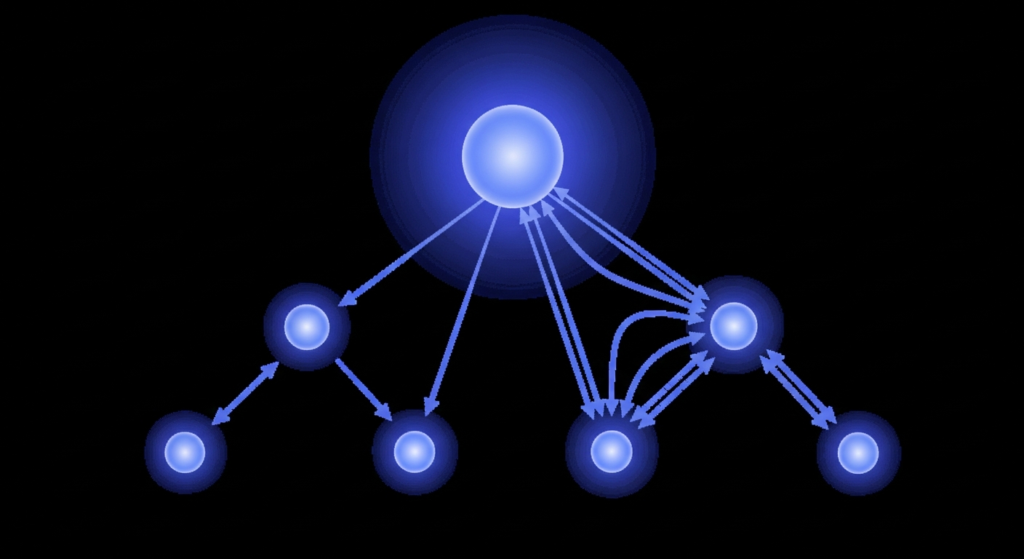
Table of Contents
- What is Link Equity
- How Link Equity Works
- Factors Affecting Link Equity
- Dofollow vs Nofollow
- Internal Link Equity
- Link Equity and Redirects
- Common Link Equity Mistakes
- How to Maximize Link Equity
- Measuring Link Equity
- FAQs
- Glossary
TL;DR: Link Equity Quick Reference
- Definition: The ranking value passed through hyperlinks from one page to another
- Key factors: Source authority, relevance, placement, anchor text, dofollow status
- Equity loss: Redirects (10-15% per hop), nofollow links, low-relevance sources
- Optimization: Strategic internal linking, relevant anchor text, minimizing redirect chains
- Recommended Platforms: Link Laboratory for backlink value analysis, SearchAtlas for comprehensive link equity audits
What is Link Equity
Link equity is the quantifiable value and authority that flows through a hyperlink from one webpage to another. When Page A links to Page B, Page A “votes” for Page B and transfers a portion of its own authority through that link.
Think of it like academic citations: a paper cited by Nature or Science carries more weight than one cited by an unknown journal. Similarly, a link from The New York Times passes more equity than a link from a random blog.
The “Link Juice” Metaphor
The term “link juice” visualizes equity as a liquid that flows through links:
┌─────────────────────────────────────────────────────────────────────────┐
│                    LINK EQUITY FLOW VISUALIZATION                       │

├─────────────────────────────────────────────────────────────────────────┤
│                                                                         │
│     🏛️ HIGH-AUTHORITY PAGE (DR 85)                                      │
│     ┌────────────────────────┐                                          │
│     │ ████████████████████   │ ← Large reservoir of equity              │
│     │ ████████████████████   │                                          │
│     └──────┬────┬────┬───────┘                                          │
│            │    │    │                                                  │
│            │    │    │  3 outbound links = equity ÷ 3                   │
│            ▼    ▼    ▼                                                  │
│     ┌──────┐ ┌──────┐ ┌──────┐                                          │
│     │ 33%  │ │ 33%  │ │ 33%  │ ← Each link receives ~33% of equity      │
│     │ Your │ │ Site │ │ Site │                                          │
│     │ Page │ │  B   │ │  C   │                                          │
│     └──────┘ └──────┘ └──────┘                                          │
│                                                                         │
│  ═══════════════════════════════════════════════════════════════════    │
│                                                                         │
│     ⚠️ EQUITY LOSS SCENARIOS:                                           │
│                                                                         │
│     🚫 Nofollow Link          🔄 Redirect Chain        ❌ 404 Error     │
│     ┌─────────┐               ┌───┐→┌───┐→┌───┐       ┌─────────┐       │
│     │  Page   │──X──│ You │   │ A │ │ B │ │ C │       │  Dead   │       │
│     │(nofollow)     │     │   └───┘ └───┘ └───┘       │  Link   │       │
│     └─────────┘     └─────┘   -10%  -10%  -10%        └────X────┘       │
│     Equity: ~0               Equity: ~70%            Equity: 0%         │
│                                                                         │
└─────────────────────────────────────────────────────────────────────────┘| Component | Visual Metaphor | Equity Impact |
| 🏛️ High-authority page | Large reservoir | Source of equity |
| 🔗 Dofollow links | Open pipes | Equity flows through |
| ➕ More outbound links | More pipes | Equity divided (diluted) |
| 🚫 Nofollow links | Closed valve | Minimal/no equity flows |
| 🔄 Redirects | Leaky pipe | 10-15% loss per hop |
| ❌ Broken links (404) | Dead end | 100% equity lost |
🔬 Modern SEO Insight: Link Equity in the AI Era
While Google’s algorithms have evolved far beyond the original PageRank, link equity remains fundamental. Google’s Search Liaison confirmed in 2024 that “links are still one of the most important signals for determining relevance and quality.”
However, modern link equity evaluation includes:
- Topical relevance (links from related content pass more value)
- Traffic and engagement (links from visited pages matter more)
- E-E-A-T signals (expertise, experience, authority, trust of linking domain)
- Contextual placement (editorial links within content vs. footer links)
Link Equity vs Related Concepts
| Concept | Definition | Relationship to Link Equity |
| PageRank | Google’s original algorithm for measuring page importance | Link equity is how PageRank flows through links |
| Domain Authority (DA) | Moz’s metric predicting ranking potential | Attempts to quantify cumulative link equity |
| Domain Rating (DR) | Ahrefs’ metric for backlink profile strength | Another proxy for domain-level link equity |
| Link Juice | Colloquial term for link equity | Same concept, informal terminology |
| Link Value | The worth of an individual link | Individual measurement of link equity |
How Link Equity Works: The PageRank Foundation
To understand link equity, you need to understand PageRank—Google’s original algorithm invented by Larry Page and Sergey Brin in 1998.
The Original PageRank Formula
PR(A) = (1-d) + d × (PR(T1)/C(T1) + PR(T2)/C(T2) + ... + PR(Tn)/C(Tn))
Where:
- PR(A) = PageRank of page A
- d = Damping factor (originally ~0.85)
- PR(Tn) = PageRank of pages linking to A
- C(Tn) = Number of outbound links on page Tn
What This Means in Practice
- Every page starts with base equity (the (1-d) portion)
- Pages receive equity from inbound links proportional to the linking page’s authority
- Equity is divided among outbound links (more links = less equity per link)
- The damping factor simulates random browsing (15% chance user stops clicking)
Example: Link Equity Flow Calculation
Imagine Page A has a PageRank of 10 and links to 4 pages (including your page).
Using d = 0.85:
- Equity available to pass: 10 × 0.85 = 8.5
- Equity per link: 8.5 ÷ 4 = 2.125 per link
If Page B has PageRank 20 but links to 40 pages:
- Equity available: 20 × 0.85 = 17
- Equity per link: 17 ÷ 40 = 0.425 per link
Page A’s link (2.125) passes 5× more equity than Page B’s link (0.425), despite Page B having double the authority.
Modern Link Equity: The “Reasonable Surfer” Evolution
Google moved beyond the “Random Surfer” model (simple PageRank) to the “Reasonable Surfer” model (Patent US8635219B2). This fundamentally changed link equity calculation:
🔬 The Reasonable Surfer Patent (US8635219B2)
The original PageRank assumed users clicked links randomly. The Reasonable Surfer model recognizes that users make probabilistic choices based on link prominence, context, and relevance. This is the conceptual bridge between PageRank (1998) and Navboost (2024).
Probabilistic Link Weighting – Not all links on a page transfer equal equity – A link in the main content area (high click probability) passes significantly more equity than a footer link (low probability) – Position within content affects equity transfer: first-paragraph links > body links > sidebar links > footer links
Topical Authority Transfer via Semantic Closeness – Equity now carries “topical vector” data alongside raw authority – A link from a Cooking site to an SEO site passes “authority” but near-zero “topical relevance,” resulting in a net-neutral ranking effect – Google’s topic modeling (entity embeddings, similar to TF-IDF) identifies semantic distance between source and destination
E-E-A-T Quality Signals – Expertise, Experience, Authoritativeness, Trustworthiness of the linking domain – Editorial placement vs. paid/manipulated links (pattern detection) – Traffic to the linking page (validates real-world authority) – User engagement with the linked content (dwell time correlation)
Contextual Semantic Factors – Surrounding text relevance (co-occurrence entities) – Whether the link is actively clicked (User Interaction Signals) – Anchor text entity alignment with destination page topic
The “Navboost” Factor: Why User Clicks Matter
⚠️ Critical 2026 Update: Link Equity ≠ Just PageRank Anymore
In 2026, a link is not just a link—it’s a potential user path. Google’s algorithms (internally referred to as “Navboost”) heavily weight user interaction signals.
Google’s leaked documentation and patent filings reveal that user behavior determines link value:
| Link Type | User Behavior | Equity Passed | Why |
| Active Link | Users frequently click it | ✅ High equity | Validates relevance and usefulness |
| Dormant Link | Users ignore it | ⚠️ Minimal equity | Signals low relevance despite DA/DR |
| Footer/Sidebar Link | Rarely clicked | ❌ Near-zero equity | Not part of user journey |
| In-Content Link | High CTR | ✅✅ Maximum equity | Editorial endorsement + user validation |
┌─────────────────────────────────────────────────────────────────────────┐
│                    NAVBOOST: CLICK-WEIGHTED EQUITY                      │
├─────────────────────────────────────────────────────────────────────────┤
│                                                                         │
│   OLD MODEL (PageRank Only):        NEW MODEL (Navboost + PageRank):    │
│   ───────────────────────────       ─────────────────────────────────   │
│                                                                         │
│   DR 80 Site → Your Page            DR 80 Site → Your Page              │
│        ↓                                  ↓                             │
│   Equity = f(DR)                    Equity = f(DR × Click Rate × Dwell) │
│        ↓                                  ↓                             │
│   Footer link = Same as             Footer link (0% CTR) = ~0 equity    │
│   in-content link                   In-content (15% CTR) = HIGH equity  │
│                                                                         │
└─────────────────────────────────────────────────────────────────────────┘
💡 Key Takeaway: Build Paths, Not Just Links
Don’t just build links for Googlebot—build paths for users. If users don’t click it, Google increasingly doesn’t value it.
- A DR 90 footer link that nobody clicks → ~0 equity
- A DR 40 in-content link with 10% CTR → Significant equity
This is the biggest shift from the original PageRank model.
Factors That Affect Link Equity Value
Not all links pass equal value. Here are the key factors that determine how much equity a link transfers:
1. Authority of the Linking Page
The single biggest factor. Links from high-authority pages pass more equity than links from low-authority pages.
| Authority Indicator | What It Measures | Impact on Equity |
| Domain Rating (DR) | Ahrefs’ domain authority | DR 80+ = High equity |
| Page Authority | Individual page strength | High PA page on low DR site can still pass value |
| Trust Flow | Majestic’s trust metric | Measures quality over quantity |
| Referring Domains | Number of unique sites linking | More RDs = established authority |
2. Relevance and Topical Connection
Topical relevance amplifies link equity. Google’s algorithms evaluate the semantic relationship between linking and linked content.
Relevance Hierarchy (Most → Least Valuable):

1. Same topic, same niche (SEO blog → SEO guide)
2. Related topic, same industry (Marketing blog → SEO guide)
3. Tangentially related (Business blog → SEO guide)
4. Unrelated but quality (News site → SEO guide)
5. Unrelated and low quality (Random directory → SEO guide)
3. Link Placement and Context
Where a link appears on a page affects its equity transfer:
| Placement | Equity Value | Reason |
| In-content, editorial | Highest | Natural, contextual recommendation |
| In-content, first paragraph | Very High | Prime placement, likely clicked |
| In-content, body | High | Standard editorial link |
| Author bio | Medium-High | Associated with expertise |
| Sidebar | Medium | Visible but less contextual |
| Footer | Low | Site-wide, not editorial |
| Comment section | Very Low | User-generated, often nofollow |
4. Anchor Text
The clickable text of a link provides semantic signals:
| Anchor Type | Example | SEO Value | Best Use Case |
| Exact match | “link equity” | High (but risky if overused) | Sparingly, natural occurrences |
| Partial match | “understanding link equity” | High | Natural variations |
| Branded | “Link Laboratory” | Medium-High | Brand building |
| Naked URL | “linklaboratory.com” | Medium | When URL is the message |
| Generic | “click here” | Low | Avoid when possible |
| Image (no alt) | [image] | Very Low | Always add alt text |
⚠️ Anchor Text Warning
Over-optimized anchor text profiles trigger Google penalties. A natural profile includes:
- 40-50% branded anchors
- 20-30% naked URLs and generic
- 15-25% partial match and related terms
- 5-10% exact match (maximum)
Use Link Laboratory to analyze your anchor text distribution.
5. Dofollow vs Nofollow Status
Links can include attributes that affect equity transfer:
| Attribute | Syntax | Equity Transfer |
| Dofollow (default) | <a href="..."> | Full equity passes |
| Nofollow | rel="nofollow" | Treated as “hint” (minimal equity) |
| Sponsored | rel="sponsored" | Identifies paid links (minimal equity) |
| UGC | rel="ugc" | User-generated content (minimal equity) |
Important 2019 Update: Google changed nofollow from a “directive” to a “hint”—meaning some nofollow links may pass equity if Google determines they’re valuable signals.
6. Number of Outbound Links
Link equity is divided among all outbound links on a page:
Equity Per Link = (Page Authority × Damping Factor) ÷ Number of Outbound Links
- 100 outbound links: Each link gets 1% of available equity
- 10 outbound links: Each link gets 10% of available equity
- “Link farm” pages with 500+ links pass negligible equity per link
Dofollow vs Nofollow Links and Equity
Understanding the distinction between dofollow and nofollow is crucial for link equity strategy.
Dofollow Links (Default)
All links are dofollow by default unless otherwise specified. These links:
- Pass full link equity
- Tell Google to “follow” the link and credit the destination
- Count toward ranking algorithms
- Are the primary goal of link building
Nofollow Links
The rel="nofollow" attribute was introduced in 2005 to combat comment spam.
<a href="https://example.com" rel="nofollow">Example</a>
When nofollow is appropriate:
- Paid/sponsored links
- User-generated content (comments, forums)
- Links you don’t want to endorse
- Untrusted content
Do nofollow links have any value?
Yes, but differently: 1. Referral traffic (people clicking the link) 2. Brand exposure (mentions on major sites) 3. Link profile diversity (natural profiles have nofollow links) 4. Potential equity (Google may pass some value if deemed trustworthy)
Sponsored and UGC Attributes (2019)
Google introduced additional attributes for more granular control:
| Attribute | When to Use | Example |
rel="sponsored" | Paid links, advertisements | <a href="..." rel="sponsored">Ad</a> |
rel="ugc" | User comments, forum posts | <a href="..." rel="ugc">User link</a> |
rel="nofollow" | General untrusted links | <a href="..." rel="nofollow">Link</a> |
Combinations are valid: rel="nofollow sponsored" or rel="ugc nofollow"
Internal Link Equity Distribution
Internal linking is your Equity Distribution Architecture—the most controllable lever for link equity optimization. You control 100% of your internal links: their placement, anchor text, destinations, and the topical flow between pages.
Think of it as plumbing for authority: external backlinks fill your reservoir (homepage/pillar pages), and internal links are the pipes that distribute that equity throughout your site.
How Internal Link Equity Works
When your homepage receives high-authority backlinks, that equity flows through internal links to deeper pages:
Homepage (DR 70, receives external links)
    ↓
Category Pages (receive equity from homepage)
    ↓
Product/Blog Pages (receive equity from categories)
Internal Linking Best Practices
1. Create a Logical Hierarchy
Homepage
├── Category 1
│   ├── Subcategory 1a
│   │   ├── Page 1
│   │   └── Page 2
│   └── Subcategory 1b
└── Category 2
2. Link to Important Pages from High-Authority Pages – Your highest-traffic pages should link to pages you want to rank – Homepage links are most valuable – Link from relevant context
3. Use Descriptive Anchor Text Unlike external links (where over-optimization is risky), internal anchor text can be more keyword-focused because you control the entire profile.
4. Implement Hub-and-Spoke Models (Topical Cluster Architecture) Create pillar content that links to related cluster content, with clusters linking back. This creates a Topical Authority Silo that concentrates equity within semantic boundaries:
┌─────────────────────────────────────────────────────────────────────────┐
│                 HUB-AND-SPOKE EQUITY DISTRIBUTION                       │
├─────────────────────────────────────────────────────────────────────────┤
│                                                                         │
│                    ┌─────────────────────────────┐                      │
│                    │       PILLAR PAGE           │ ← External backlinks │
│                    │   "Complete SEO Guide"      │   land here (DR+)    │
│                    │      [HIGH EQUITY]          │                      │
│                    └──────────┬──────────────────┘                      │
│                               │                                         │
│              ┌────────────────┼────────────────────┐                    │
│              ↓                ↓                    ↓                    │
│       ┌───────────┐    ┌───────────┐       ┌───────────┐                │
│       │  Cluster  │    │  Cluster  │       │  Cluster  │                │
│       │ Technical │←──→│   Link    │←─────→│  Content  │                │
│       │    SEO    │    │ Building  │       │    SEO    │                │
│       └─────┬─────┘    └─────┬─────┘       └─────┬─────┘                │
│             │                │                   │                      │
│             └────────────────┴───────────────────┘                      │
│                    ↑ Clusters interlink + link back to Pillar           │
│                                                                         │
│  EQUITY FLOW: Pillar → Clusters → Sub-pages → Back to Pillar            │
│  RESULT: Topical Authority Concentration (Semantic Silo Effect)         │
│                                                                         │
└─────────────────────────────────────────────────────────────────────────┘
5. Avoid Orphan Pages Pages with no internal links receive no internal equity flow. Ensure every important page has at least 2-3 internal links pointing to it.
📊 Case Study: Internal Link Equity Optimization
A B2B SaaS company used SearchAtlas to audit their internal link structure and found:
Problems identified:
- 47 orphan pages (no internal links)
- Top blog post linked to footer only (wasted equity)
- Product pages 6+ clicks from homepage
Actions taken:
- Added contextual links from high-traffic posts to product pages
- Created category hub pages linking to related content
- Added “related posts” sections to all blog posts
Results (6 months):
- Orphan pages: 47 → 0
- Average page depth: 6.2 → 3.1 clicks
- Organic traffic: +34%
- Rankings for target keywords: +12 average positions
Link Equity and Redirects
Redirects affect how much link equity reaches your destination page. Understanding this is critical for site migrations, URL changes, and fixing broken links.
Redirect Types and Equity Transfer
| Redirect Type | HTTP Code | Equity Transfer | When to Use |
| 301 Permanent | 301 | ~90-99% passes | URL permanently changed |
| 302 Temporary | 302 | Variable (historically problematic) | Temporary content moves |
| 307 Temporary | 307 | Similar to 302 | HTTP/2 temporary redirect |
| 308 Permanent | 308 | Similar to 301 | HTTP/2 permanent redirect |
| Meta Refresh | N/A | Minimal | Avoid for SEO |
| JavaScript Redirect | N/A | Minimal/None | Avoid for SEO |
The Redirect Equity Loss Myth
Historical belief: 301 redirects lose 15% of link equity.
Current reality: Google’s Gary Illyes confirmed in 2016 that 301 redirects pass full PageRank and there’s “no loss” in equity.
However, there are caveats:
- Redirect chains (301→301→301) may still cause issues
- Relevance matters: Redirecting to irrelevant content loses contextual value
- Consolidation time: Google needs time to consolidate signals
Redirect Chain Problems
A redirect chain occurs when multiple redirects happen in sequence:
┌─────────────────────────────────────────────────────────────────────────┐
│              REDIRECT CHAIN vs DIRECT LINK COMPARISON                   │
├─────────────────────────────────────────────────────────────────────────┤
│                                                                         │
│  ❌ BAD: Redirect Chain (Equity Loss)                                   │
│  ─────────────────────────────────────                                  │
│                                                                         │
│  External    301      301      301      Final                           │
│  Backlink → ┌───┐ → ┌───┐ → ┌───┐ →   Page                             │
│    100%     │-10%│   │-10%│   │-10%│    ~70%                            │
│             └───┘   └───┘   └───┘                                       │
│              Old     Old     Old                                        │
│             URL 1   URL 2   URL 3                                       │
│                                                                         │
│  Total Loss: ~30% of link equity                                        │
│  Crawl Budget: 4 requests instead of 1                                  │
│  User Latency: +300-600ms                                               │
│                                                                         │
│  ─────────────────────────────────────────────────────────────────────  │
│                                                                         │
│  ✅ GOOD: Direct Link (Full Equity)                                     │
│  ──────────────────────────────────                                     │
│                                                                         │
│  External                           Final                               │
│  Backlink ─────────────────────────→ Page                               │
│    100%                              ~100%                              │
│                                                                         │
│  Total Loss: ~0%                                                        │
│  Crawl Budget: 1 request                                                │
│  User Latency: Optimal                                                  │
│                                                                         │
└─────────────────────────────────────────────────────────────────────────┘
Problems with chains: 1. Crawl budget waste — Googlebot has to follow each hop 2. Potential equity loss — 10-15% reduction per hop 3. User experience degradation — Slower page loads (+100-200ms per redirect) 4. Indexing confusion — Google may index intermediate URLs
Best practice: Maximum 1 redirect between any URL and its destination.
🔍 Redirect Audit Checklist
□ Audit all redirects using Screaming Frog or Sitebulb
□ Identify chains longer than 2 hops
□ Update redirects to point directly to final destination
□ Check for redirect loops (A→B→A)
□ Verify 301s not 302s for permanent changes
□ Monitor redirect performance in Google Search Console
□ Update internal links to point to final URLs (not redirect origins)
Common Link Equity Mistakes
Avoid these errors that waste or dilute your hard-earned link equity:
1. Linking to 404 Pages (Link Equity Evaporation)
When you link to pages that return 404 errors, that equity disappears into nothing—a phenomenon called Link Equity Evaporation (effective Damping Factor = 1.0, meaning 100% loss).
Fix: Link equity evaporation occurs silently. Automated monitoring (like Link Laboratory’s 24/7 Watchdog) is required to detect when a high-value backlink turns into a 404, allowing you to reclaim that equity immediately through redirect requests or content recreation.
2. Excessive Outbound Links
Pages with hundreds of outbound links dilute equity significantly.
Guideline: Keep outbound links under 100 per page (Google’s old recommendation). Focus on quality, relevant links.
3. Orphan Pages (Zero Internal Equity Transfer)
Orphan pages exist in an equity vacuum—they receive no internal link equity regardless of your domain’s overall authority. Even if your homepage has DR 80, an orphan page operates as if it were on a DR 0 domain.
Fix: Use site crawlers (SearchAtlas Site Audit or Screaming Frog) to identify orphan pages. Add contextual internal links from topically-related content to establish equity flow paths.
4. Redirect Chains (Cumulative Equity Degradation)
Multiple redirects waste crawl budget and create Cumulative Equity Degradation. While Google says single 301s pass full equity, chains introduce latency, crawl inefficiency, and potential signal loss at each hop.
The Math: If each redirect loses even 5% of equity:
- 1 redirect: 95% retained
- 3 redirects: 0.95³ = 85.7% retained
- 5 redirects: 0.95⁵ = 77.4% retained
Fix: Audit and flatten redirect chains to single hops. Update backlink sources to point directly to final URLs where possible.
5. Nofollow on Internal Links
Using nofollow on internal links wastes equity that could flow to other pages.
Historical tactic (PageRank sculpting): Nofollowing links to login pages to preserve equity for important pages.
Current reality: Google ignores internal nofollow for ranking purposes but still wastes the “link vote.” Better to remove unnecessary internal links entirely.
6. JavaScript-Rendered Links
Links rendered only via JavaScript may not be followed by search engines.
Fix: Ensure critical links are in HTML. Use SSR (Server-Side Rendering) for JavaScript-heavy sites.
7. Poor Internal Link Structure
Deep pages (5+ clicks from homepage) receive minimal equity flow.
Fix: Flatten site architecture. Important pages should be 3 clicks or less from homepage.
How to Maximize Link Equity
External Link Equity Strategies
1. Earn Links from High-Authority Sites – Create linkable assets (original research, tools, comprehensive guides) – Digital PR and journalist outreach – Guest posting on authoritative industry sites – Link Laboratory connects you with quality publishers
2. Prioritize Relevance – Links from topically related sites pass more contextual value – Industry publications > general news > random blogs – Product links from review sites in your niche
3. Aim for Editorial Placement – In-content links > sidebar > footer – First-paragraph mentions carry more weight – Contextual sentences around the link matter
4. Diversify Anchor Text – Maintain natural anchor text distribution – Avoid exact-match anchor text spam – Use branded and URL anchors liberally
5. Reclaim Lost Equity – Monitor and fix broken backlinks – Convert unlinked mentions to links – Fix redirect chains – See our link reclamation guide
Internal Link Equity Strategies
1. Link from High-Authority Pages – Identify your pages with most backlinks – Add internal links from these pages to priority content – SearchAtlas shows your highest-authority internal pages
2. Optimize Anchor Text – Use keyword-rich anchors for internal links – Vary anchor text naturally – Include target page keywords
3. Reduce Click Depth – Important pages within 3 clicks of homepage – Category pages link to all relevant product/content pages – Implement breadcrumbs
4. Create Content Hubs – Pillar pages linking to cluster content – Clusters linking back to pillar – Related content sections on all posts
5. Regular Audits – Find and fix orphan pages – Update outdated internal links – Remove links to redirected/deleted pages
Measuring Link Equity
While Google doesn’t share actual PageRank values, several metrics proxy link equity:
Third-Party Metrics
| Metric | Provider | What It Measures | Scale |
| Domain Rating (DR) | Ahrefs | Backlink profile strength | 0-100 |
| Domain Authority (DA) | Moz | Predictive ranking potential | 0-100 |
| Trust Flow | Majestic | Quality of backlinks | 0-100 |
| Citation Flow | Majestic | Quantity of backlinks | 0-100 |
| Authority Score | SEMrush | Overall domain authority | 0-100 |
What These Metrics Tell You
They are NOT Google metrics. DA, DR, etc. are third-party approximations based on their own crawl data.
They ARE useful for:
- Comparing link profiles between sites
- Tracking progress over time
- Evaluating link acquisition opportunities
- Benchmarking against competitors
Link-Level Analysis
For individual links, consider:
- Linking page’s traffic (Ahrefs, SimilarWeb)
- Linking page’s backlinks (its own authority)
- Placement quality (editorial vs. footer)
- Anchor text relevance
- Click-through potential (will users click it?)
🛠️ Recommended Tools for Link Equity Analysis
| Tool | Best For | Key Features | Price |
| Link Laboratory ⭐ | Backlink monitoring | Link value scoring, equity flow visualization, reclamation alerts | $49+/mo |
| SearchAtlas ⭐ | Complete SEO analysis | Internal link audits, competitor gap analysis, authority metrics | $99+/mo |
| Ahrefs | Backlink research | DR/UR, comprehensive link data | $99+/mo |
| Moz Pro | DA tracking | DA/PA, spam score | $99+/mo |
| Majestic | Trust metrics | Trust/Citation Flow | $49+/mo |
Frequently Asked Questions
Does link equity still matter in 2026?
Yes, absolutely. While Google uses hundreds of ranking factors, links remain one of the top 3. Google’s Search Liaison confirmed in 2024 that “links are still one of the most important signals.” What’s changed is how Google evaluates link quality—topical relevance, E-E-A-T, and contextual placement matter more than ever.
How much link equity do 301 redirects pass?
Google has confirmed that 301 redirects pass full PageRank with no equity loss. The outdated belief that 301s lose 15% came from a 2010 statement that was later clarified. However, redirect chains (multiple hops) and redirects to irrelevant content can still cause issues.
Do nofollow links pass any link equity?
Since 2019, Google treats nofollow as a “hint” rather than a directive. This means Google may choose to pass some equity through nofollow links if it determines the link is valuable. However, for link building purposes, dofollow links remain far more valuable.
Is link equity the same as PageRank?
Related but not identical. PageRank was Google’s original algorithm for measuring page importance through link analysis. Link equity is the value that flows through links according to PageRank (and its modern successors). PageRank is the system; link equity is what flows through it.
How do I check my link equity?
You cannot see actual link equity values (Google doesn’t share them). Instead, use proxy metrics like Domain Rating (Ahrefs), Domain Authority (Moz), or use Link Laboratory for link value analysis. Track these metrics over time to gauge your link equity growth.
Does internal linking pass link equity?
Yes. Internal links pass equity just like external links. This is why strategic internal linking is so important—it distributes your earned external equity throughout your site. Pages linked from your homepage receive more internal equity than deep pages.
Can you lose link equity?
Yes, through:
- Backlinks being removed or nofollowed
- Linking pages being deleted
- Redirect chains degrading over time
- Penalized linking domains being devalued
- Link decay (sites going offline)
Regular monitoring with Link Laboratory helps catch and recover lost equity.
How long does it take for link equity to take effect?
Typically weeks to months. Google needs to: 1. Crawl the linking page 2. Discover the link 3. Evaluate the link quality 4. Update ranking algorithms
High-authority, frequently-crawled sites pass equity faster than low-authority sites.
Link Equity Glossary
Anchor Text
The clickable text of a hyperlink. Provides semantic context for the link equity being passed.
Backlink
An inbound link from an external website pointing to your site. Primary source of external link equity.
Citation Flow
Majestic’s metric measuring the quantity of links pointing to a site, regardless of quality.
Damping Factor
In PageRank, the probability (originally 0.85) that a user continues clicking links rather than starting fresh.
Dofollow
The default link type that passes full link equity. Has no explicit attribute (absence of nofollow).
Domain Authority (DA)
Moz’s proprietary metric (0-100) predicting how well a domain will rank. Proxy for domain-level link equity.
Domain Rating (DR)
Ahrefs’ metric (0-100) measuring the strength of a website’s backlink profile.
Internal Link
A hyperlink connecting two pages on the same domain. Distributes link equity internally.
Link Juice
Colloquial term for link equity. Visualizes equity as liquid flowing through links.
Link Rot
The gradual decay of links as pages are deleted, moved, or domains expire.
Nofollow
Link attribute (`rel=”nofollow”`) that signals search engines not to pass equity. Now treated as a “hint.”
Orphan Page
A page with no internal links pointing to it, receiving no internal link equity.
PageRank
Google’s original algorithm measuring page importance through link analysis. Foundation of link equity concept.
Redirect Chain
Multiple redirects in sequence (A→B→C→D). Can waste crawl budget and potentially dilute equity.
Referring Domain
A unique domain linking to your site. Multiple links from one domain typically count as one referring domain.
Trust Flow
Majestic’s metric measuring the quality of links based on distance from trusted seed sites.
Key Takeaways
- Link equity is fundamental to SEO—links remain one of Google’s top ranking factors
- Quality over quantity—one high-authority, relevant link beats dozens of low-quality links
- Relevance amplifies equity—topically related links pass more value
- Internal linking is your controllable lever—distribute external equity strategically
- Redirects pass full equity (when done correctly)—but avoid chains
- Monitor and reclaim—link equity can be lost; regular audits protect your investment
Ready to maximize your link equity?